Free Consultations 408-848-1113 En Español
Recent Blog Posts
Workers’ Compensation for Auto Mechanics in California
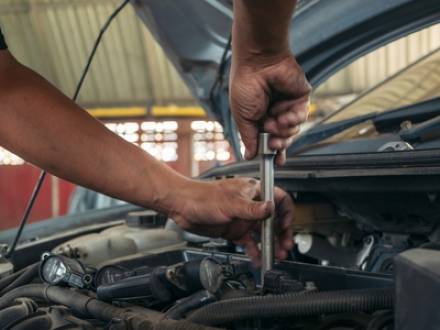 When people get injured at their jobs, they are generally entitled to workers’ compensation, which can cover any medical expenses, long-term therapy, missed work, and the need for new job training resulting from the injury. Auto mechanics are no exception. With a daily routine that can include working with machines and cars, heavy lifting, and straining, there are several common injuries typical of an average auto mechanic. If you work in an auto shop and have questions about whether you are eligible for workers’ comp coverage for a workplace injury, speak with a knowledgeable Gilroy, CA workers’ comp lawyer to learn more.
Common Auto Mechanic Injuries
Auto repair can be a physically demanding job with many potential risks. Mechanics work with cars, tools, and machinery. Some of the most commonly reported injuries among auto mechanics include repetitive stress injuries, back strains, herniated discs, and fractures caused by:
Workers’ Compensation Eligibility for California Waste Collectors
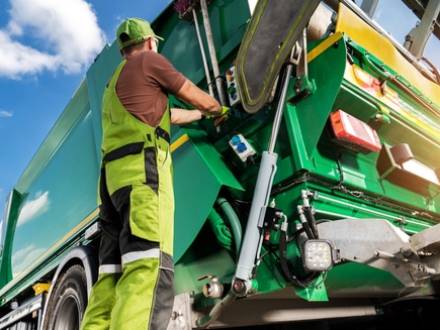 Waste collectors contribute so much to the communities they serve. They come to work regardless of the weather to ensure the cleanliness of our neighborhoods. Unfortunately, they face serious risks, too. Although fatalities have decreased in recent years, waste collection is still the seventh deadliest industry in America.
The good news is that just like any other employee, waste collectors are eligible for workers’ compensation benefits. Whether you work for a private waste company or the local government, you could receive coverage for medical care and lost wages. If you suffered a workplace injury at your waste collection job but are having trouble getting the benefits you are entitled to, speak with a knowledgeable San Benito County, CA workers’ compensation attorney for guidance.
Common Causes of Waste Collector Injuries
Waste collection work is associated with daily risks. Some of the most common causes of work-related injuries for waste collectors include:
Do Airport Workers Get Workers’ Compensation? | CA
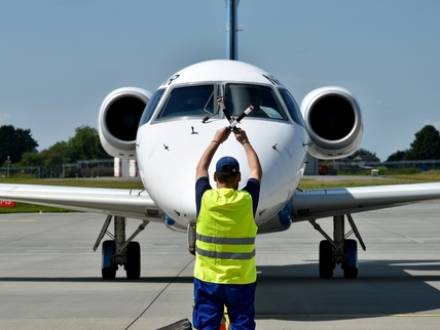 Airport workers are the backbone of the travel industry, keeping everything from planes to passengers moving smoothly. Whether it is loading baggage, maintaining airplanes, or ensuring runway safety, their work is vital. But with that responsibility comes risk.
From dealing with heavy equipment to working long shifts in unpredictable weather, airport jobs can be tough. Unfortunately, these conditions can lead to injuries, and when that happens, workers need to know they are protected by laws that promise compensation for their injuries. If you are an airport worker who has been hurt on the job, talk to a Gilroy, CA workers' compensation lawyer to learn more about options you may have.
What Are Common Injuries Suffered by Airport Workers?
Airport workers face a variety of hazards that can result in different types of injuries, including:
California Firefighters and PTSD
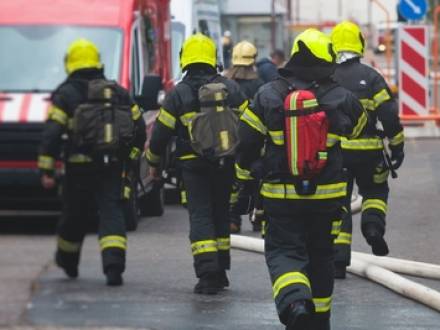 As a society, we depend on firefighters to keep us safe. They are called on to help in many situations: fires, serious car crashes, and construction collapses, to name a few. Firefighters go to work every day to save people whose lives are in danger, and in doing so, they put themselves at risk, too. Unfortunately, because of the nature of their work, firefighters face a high risk of serious injury, whether physical, mental, or emotional. Like all employees in California, firefighters are also entitled to workers’ compensation to cover the costs of these injuries, but the red tape involved in proving their injuries, specifically nonphysical injuries like PTSD, can feel like an uphill battle. If you are a firefighter who has been injured in any way while doing your job, speak with an experienced Hollister, CA workers’ compensation lawyer who can help you navigate the complicated process and guide you on how to move forward.
Understanding Apportionment in California Workers’ Compensation
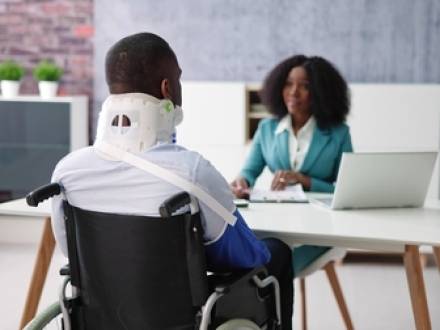 While most California employees are entitled to workers’ compensation to cover the costs of injuries they suffer at work, there are guidelines and limitations to the compensation they can receive. If someone had a preexisting condition or some other underlying issue at the time they got hurt, that can impact the amount of compensation they are awarded. Apportionment is a calculation explaining how much of someone’s injury was caused by a workplace incident. If you were hurt and need to prove how much of your injury was the result of something that happened at your job, speak with a skilled Morgan Hill, CA workers’ compensation attorney to learn more.
How is Apportionment Calculated in California?
Since injuries can be caused by several factors, many workers’ compensation cases include the need to determine apportionment, which is the portion of an injury that can directly be attributed to work. If an injury was the result of several factors, the employer will not be solely responsible for compensating the injured employee. Because this can have significant implications for the permanent disability compensation you might be entitled to, your employer needs to meet strict standards before they can seek lesser compensation.
3 Tips for Returning to Work After a Work Injury
 If you were injured at work and are receiving workers’ compensation benefits in California, you might wonder what happens when it is time to go back to your job. Returning to work after an injury can be challenging, but understanding the process can help make it smoother. This article will offer information about returning to work after a workers' compensation injury. If you have more questions, speak with an experienced Hollister, CA workers’ compensation attorney who can explain further.
What to Do When You Are Ready to Return to Work
Before you can go back to work after being awarded workers’ compensation benefits, there are some important steps to take. If you decide on your own that you are ready to return and you show up one day without preparing anyone in advance, it could cause setbacks that keep you from resuming your real routine. You might go to work before you are fully able or before your workplace is ready for you. There are ways to avoid making those mistakes.
President Biden’s Proposal on Extreme Heat and Workers’ Compensation
 There are many different ways workers can be injured at their jobs. Whether they are injured due to faulty equipment, insufficient training, or an unsafe work environment, they are generally entitled to workers’ compensation benefits. These are intended to cover the costs of recovering from work-related injuries. Recently, President Biden submitted a proposal to increase protections for people who work in extremely hot conditions. This is especially relevant here in California, where extreme heat is a serious concern for many workers. If you have questions about whether your workplace is following the rules, speak with a knowledgeable Gilroy, CA workers’ compensation attorney to find out more.
What Is in the New Proposal?
It can be dangerous to work in extreme heat. You could suffer serious health issues like heat exhaustion, heat stroke, or dehydration. These conditions can be life-threatening and can seriously affect your health and safety. President Biden’s new proposal is designed to protect workers from these risks by setting stricter rules about working in hot environments.
Workers’ Comp for Carpal Tunnel When Working From Home
 Not so long ago, it was safe to assume that you could find a typical full-time employee in her office from Monday to Friday. You could expect to sit in your designated workspace for about 40 hours per week. While some more flexible companies have offered hybrid and remote arrangements for years, the COVID-19 global pandemic drastically changed how employers and employees think about work. Nowadays, it is almost surprising when someone needs to go into their office every day that they work.
Office workers are generally eligible for workers’ compensation for injuries and conditions like carpal tunnel syndrome (CTS). What happens when you develop a condition like that while working from home? If you have a hybrid or fully remote job and were injured at home while working, speak with a seasoned Gilroy, CA workers’ compensation lawyer who can explain your options.
Can I Get California Workers’ Compensation for Workplace Stress?
 Most workers are aware they are entitled to receive workers’ compensation benefits following a workplace injury or illness. In some states, a worker whose job has caused them emotional or mental trauma, including stress, anxiety, PTSD, and depression, can also receive workers’ compensation benefits.
Some states do not allow workers’ compensation benefits for mental trauma under any circumstances, while others may require an accompanying compensable physical injury. Although a psychological workplace injury may be allowed in some states, it will be denied when the injury results from a good-faith disciplinary action. California allows workers’ compensation claims for mental health issues when the worker has sufficient evidence to prove the issue is work-related.
Mental health issues are just as real as physical injury and trauma. When a work situation has been so toxic that conditions like stress, anxiety, and depression result, workers’ compensation should cover necessary treatments and time away from work. Having an experienced Hollister workers’ compensation attorney to answer questions and act as a guide throughout the process is essential. A skilled workers’ compensation attorney will ensure the worker’s rights are fully protected throughout the claim process.
Are Construction Workers Entitled to Workers’ Compensation?
 Wages and benefits resulting from a job are meant to provide workers with economic stability and insurance coverage in the event of a workplace accident. Every state except Texas mandates that employers must carry workers’ compensation insurance. Yet many employers try to circumvent these rules by misclassifying employees as independent contractors.
This misclassification deprives workers of core rights and protections while shifting costs and risks to workers who may barely be getting by financially. It is estimated that between 10 and 30 percent of all employees are misclassified as independent contractors.
Construction workers are often misclassified as independent contractors, even though they meet virtually none of the requirements. Following a workplace accident on a construction site, a construction worker may be told they are not covered by workers’ compensation.
Our Experience.
Your Recovery.
If you are facing challenges with a workers’ compensation claim, reach out to Raul Martinez Injury Law Firm today. You will receive clear guidance, steady support, and an advocate who understands how much this moment matters. Call 408-848-1113 to get the help you need.