Free Consultations 408-848-1113 En Español
Workers’ Comp for Slip-and-Fall Accidents in California
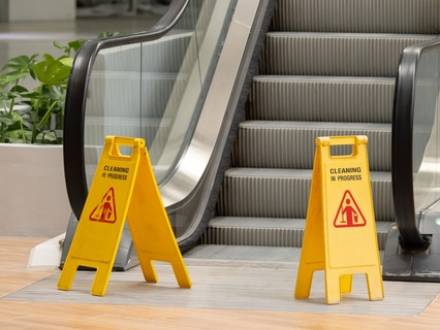 Slip-and-fall accidents can occur in almost any job and are among the most common reasons California employees file for workers' compensation benefits. The injuries can range from a bruised knee to a broken hip that keeps you out of work for months. If you were hurt this way at work in 2026, you do not need to prove your employer did anything wrong to receive benefits. A Santa Clara County, CA workers' compensation attorney can review your case and explain what you may be owed.
What Are the Most Common Causes of Slip-and-Fall Accidents at California Workplaces?
The U.S. Bureau of Labor Statistics reported that in 2023 and 2024 combined, private employers had 479,480 falls, slips, and trips cases resulting in days away from work. The median worker missed 13 workdays. That data shows how often one fall can turn into weeks without a paycheck. Workers' compensation benefits exist to cover this kind of loss.
Workplace falls happen for many different reasons. Almost any one of them can lead to a valid workers' compensation claim. Common causes include:
-
Tripping over uneven or damaged flooring
-
Slipping on a wet surface from a spill or the weather
-
Falling down stairs without a secure handrail
-
Losing your footing on a poorly lit walkway
-
Falling from a damaged ladder or a collapsed scaffold
No matter how your fall happened, report it to your employer right away and get medical care as soon as you can.
Does California Workers' Comp Cover a Slip-and-Fall Injury That Was Partly Your Own Fault?
California's workers' compensation system runs on a no-fault basis. Under California Labor Code Section 3600, a job injury is usually covered. In most cases, it does not matter if your own mistake helped cause the fall, as long as the injury happened during your job.
The tradeoff is that you usually cannot sue your employer the way you could in a personal injury case. Instead, you get medical care and part of your lost wages without having to prove anyone was careless.
How Quickly Do I Have to Report a Workplace Slip-and-Fall Injury in California?
California law sets a strict deadline for reporting a work injury. Labor Code Section 5400 requires written notice to your employer within 30 days. This rule applies to slip-and-fall accidents and all other accidents. Missing this deadline can give your employer's insurance company a reason to deny your claim.
Missing the deadline can result in a claim denial, even for a serious injury. The safest approach to a successful claim is to tell your supervisor on the same day the fall occurs. Put it in writing through an incident report, a text message, or an email.
Your employer then has one working day to give you a workers' compensation claim form, known as the DWC-1. Fill it out and return it promptly. This step helps protect your right to medical care and wage replacement benefits.
What Are Common Reasons a California Workers' Comp Claim Gets Denied After a Slip and Fall?
A workers' compensation claim is not always approved on the first try. Some of the most common reasons for denial involve drugs, alcohol, or broken safety rules. A claim can also be denied if you were doing something illegal when you got hurt.
An insurance company may deny a claim if there is evidence that the fall happened away from work, since workers' compensation only covers job-related injuries. Missing the 30-day notice deadline is another common reason claims get rejected.
The California Division of Workers’ Compensation helps resolve disputes when workers and insurance companies disagree. Still, a denial is never the end of the road, and you have the right to appeal.
What Benefits Can I Get for a Slip-and-Fall Injury at Work in California?
California workers' compensation covers more than your emergency room bill. Once your claim is accepted, you become eligible for several types of benefits. The type and amount depend on how serious your injury is.
Medical care comes first. It covers doctor visits, therapy, surgery, and medicine tied to your fall. If your injury keeps you out of work, temporary disability benefits kick in and replace about two-thirds of your average wages, up to a state maximum that changes each year.
Some slip-and-fall injuries cause lasting harm. In cases like these, you may qualify for permanent disability benefits based on how much the injury affects your ability to work. If your old job is no longer available, a supplemental job-displacement benefit can help pay for retraining in a new line of work. Knowing which benefits apply to your case often makes the difference between a fair settlement and an incomplete one.
Contact a San Benito County, CA Workers' Comp Attorney for a Free Consultation
A slip-and-fall injury can leave you with medical bills and missed paychecks at the same time. The claims process is not always simple. Raul Martinez Injury Law Firm brings more than 15 years of legal experience to workers' compensation cases across the region. The firm works to ensure injured workers receive the benefits they are owed. Call 408-848-1113 to schedule a free consultation with an experienced Santa Clara County, CA workplace injury lawyer today.
Our Experience.
Your Recovery.
If you are facing challenges with a workers’ compensation claim, reach out to Raul Martinez Injury Law Firm today. You will receive clear guidance, steady support, and an advocate who understands how much this moment matters. Call 408-848-1113 to get the help you need.